
Your Partner Keeps Crossing Your Boundaries — What Now
You set the boundary. They keep crossing it. Here's what to do when words aren't working.
Reviewed by certified relationship advisors
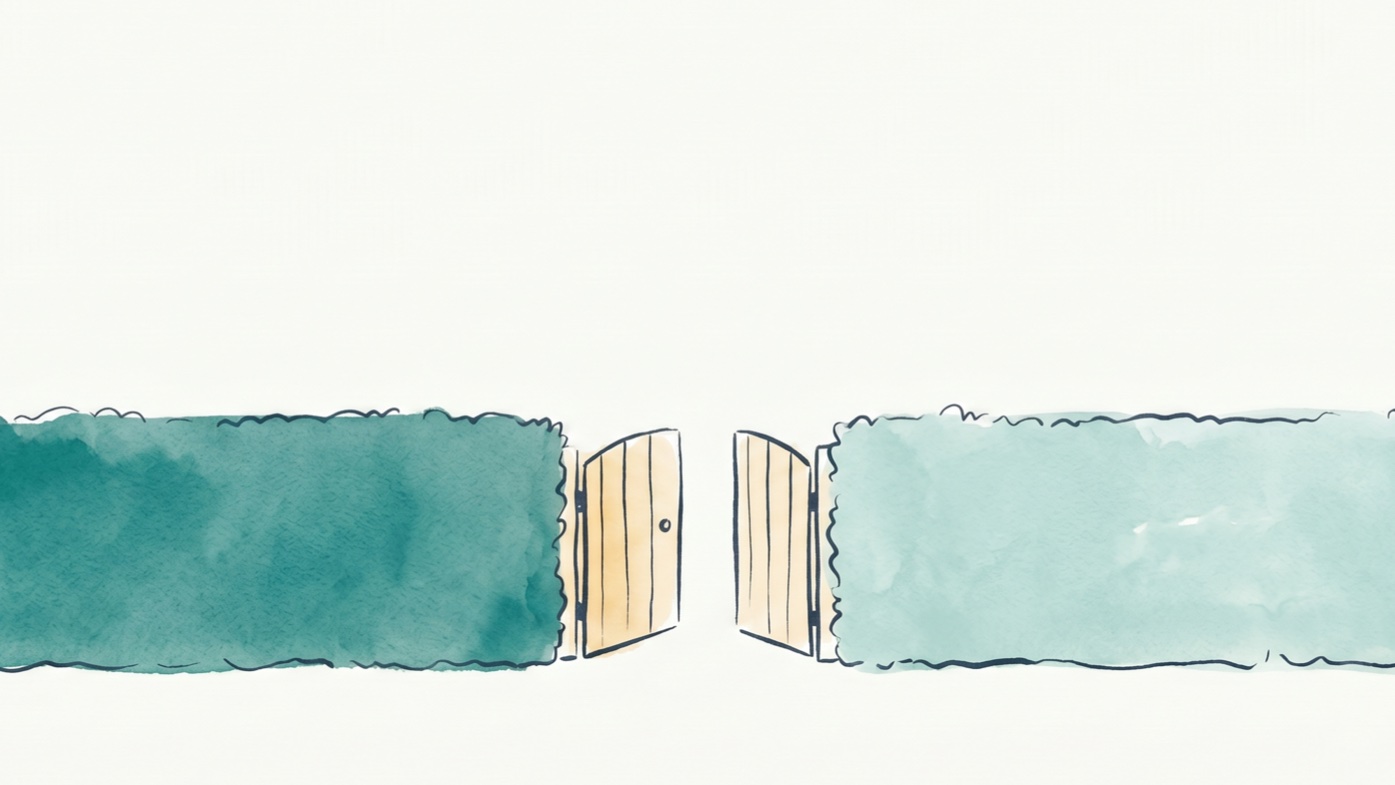
You said it clearly. You explained why it mattered. They agreed. And then they did the exact same thing again. Maybe they apologised. Maybe they didn't even acknowledge crossing it. Either way, the boundary that was supposed to protect you has been stepped over — again — and you're left wondering whether having boundaries even matters if nobody respects them.
Here's the truth: a boundary without consequences is a suggestion. And suggestions get ignored.
The First Time: Benefit of the Doubt
The first boundary violation gets the benefit of the doubt. People forget. People slip into old habits. People genuinely don't realise the gravity of what you communicated, especially if boundaries are new in your relationship.
The response to a first violation is a clear, calm restatement: "We talked about this. I need [boundary]. This is important to me." No anger, no lengthy re-explanation, no emotional escalation. Just a firm, brief reminder that the boundary exists and matters.
If they respond with genuine acknowledgment — "You're right, I'm sorry, I'll pay more attention" — the boundary system is working. People aren't perfect. The test isn't whether they ever cross the line. It's whether they course-correct when they do.
Repeated Violations: The Pattern
If the same boundary is crossed three, four, five times — you're no longer dealing with forgetfulness. You're dealing with a pattern. And patterns require a different response.
There are three possible explanations for repeated boundary violations, and identifying which one you're facing changes everything:
Carelessness. They're not prioritising your need. It's not that they disagree with the boundary — they just don't think about it. Their needs, habits, and comfort take precedence by default, and your boundary gets forgotten in the routine of their autopilot.
Disagreement. They don't actually accept the boundary. They agreed in the moment to end the conversation, but they fundamentally don't think the boundary is reasonable. So they comply sometimes and ignore it other times, hoping you'll stop enforcing it.
Deliberate disrespect. They understand the boundary, disagree with your right to set it, and cross it intentionally — either as a power move or because they believe their needs supersede yours. This is the most concerning explanation and the one that's hardest to fix through conversation alone.
How to Tell Which One It Is
Ask directly. "I've brought this up several times and it keeps happening. I need to understand: do you disagree with this boundary, or is it something else?" Their response reveals the explanation.
If they say "I keep forgetting" — that might be genuine, but it also might be avoidance. Forgetting something that matters to your partner after being told repeatedly is a form of deprioritisation. The follow-up: "What would help you remember? Can we create a system?"
If they say "I think you're overreacting" or "I don't see why this is a big deal" — they disagree with the boundary. Now you're in a negotiation about whether the boundary is reasonable, and that negotiation needs to happen explicitly rather than through passive violation.
If they get angry, dismissive, or tell you to "stop being so sensitive" — you're likely dealing with deliberate disrespect. And the conversation needs to shift from the boundary itself to what their refusal to respect it means for the relationship.
Boundaries being tested? Take our free quiz for personalised insights on your relationship dynamics. Explore →
Boundaries Need Consequences
This is the part most people avoid — because consequences feel like punishment, and punishment feels like aggression. But consequences aren't punishment. They're the natural result of a boundary being crossed.
"If you raise your voice at me, I'll leave the room until things calm down." The consequence isn't designed to hurt them — it's designed to protect you. If the boundary is crossed, you follow through. Not angrily, not dramatically. You simply do what you said you'd do.
The critical rule: never state a consequence you're not willing to enforce. If you say "I'll leave the room" and then don't, the boundary becomes a bluff. And bluffs, once called, lose all power. State only what you'll actually do. Then do it.
Consequences escalate naturally: first crossing gets a restatement, repeated crossings get consequences, persistent disregard gets a serious conversation about the relationship itself. "If my boundaries consistently don't matter to you, I need to think about what that means for us." That's not a threat — it's honesty about where things stand.
When You're the Problem
One honest check: is the boundary reasonable? Some people set boundaries that are actually control mechanisms, expectations dressed as limits, or demands that no reasonable partner could meet.
"My boundary is that you text me every two hours when you're out" — that's surveillance, not a boundary. "My boundary is that you never disagree with me in front of friends" — that's image management, not a boundary. "My boundary is that you don't have close friendships with [gender you're attracted to]" — that's control, not a boundary.
If multiple partners across multiple relationships have struggled with your boundaries, the common factor may be the boundaries themselves — not the partners. This is worth examining honestly, ideally with a therapist who can help you distinguish between protective boundaries and controlling demands.
When to Accept It Won't Change
If you've communicated clearly, restated consistently, implemented consequences, and the pattern hasn't changed over months — you're facing a compatibility question, not a communication problem.
Some people are genuinely unable or unwilling to respect certain boundaries. That's information about who they are, not feedback you need to try harder to deliver. At some point, accepting that a person can't meet your needs isn't pessimism — it's realism. And realism is the starting point for deciding whether this relationship can give you what you need.
Key Takeaways:
- A boundary without consequences is a suggestion. Suggestions get ignored.
- First violation: calm restatement. Repeated violations: identify the cause — carelessness, disagreement, or deliberate disrespect.
- State consequences you're willing to enforce. Then enforce them. Bluffs destroy boundary credibility.
- Check yourself: is the boundary reasonable, or is it control wearing a boundary costume?
- If months of clear communication haven't changed the pattern, you're facing a compatibility question — not a communication problem.
Related Articles:
Related articles
Boundaries With Exes — What's Reasonable
Your partner still talks to their ex. Or you do. Here's how to set reasonable boundaries around ex contact.
Boundaries With In-Laws and Family
When family gets too involved in your relationship, boundaries become essential. Here's how to set them.
How to Set Boundaries Without Starting a Fight
Setting a boundary feels confrontational. It doesn't have to be. Here's how to communicate your limits clearly and calmly.
What Healthy Boundaries Look Like in a Relationship
Boundaries aren't about controlling your partner. They're about communicating your needs. Here's what healthy boundaries actually look like.