
12 Red Flags in a Relationship You Should Never Ignore
Some red flags are obvious. Others are so subtle you don't see them until it's too late. Here are 12 you should never ignore.
Reviewed by certified relationship advisors
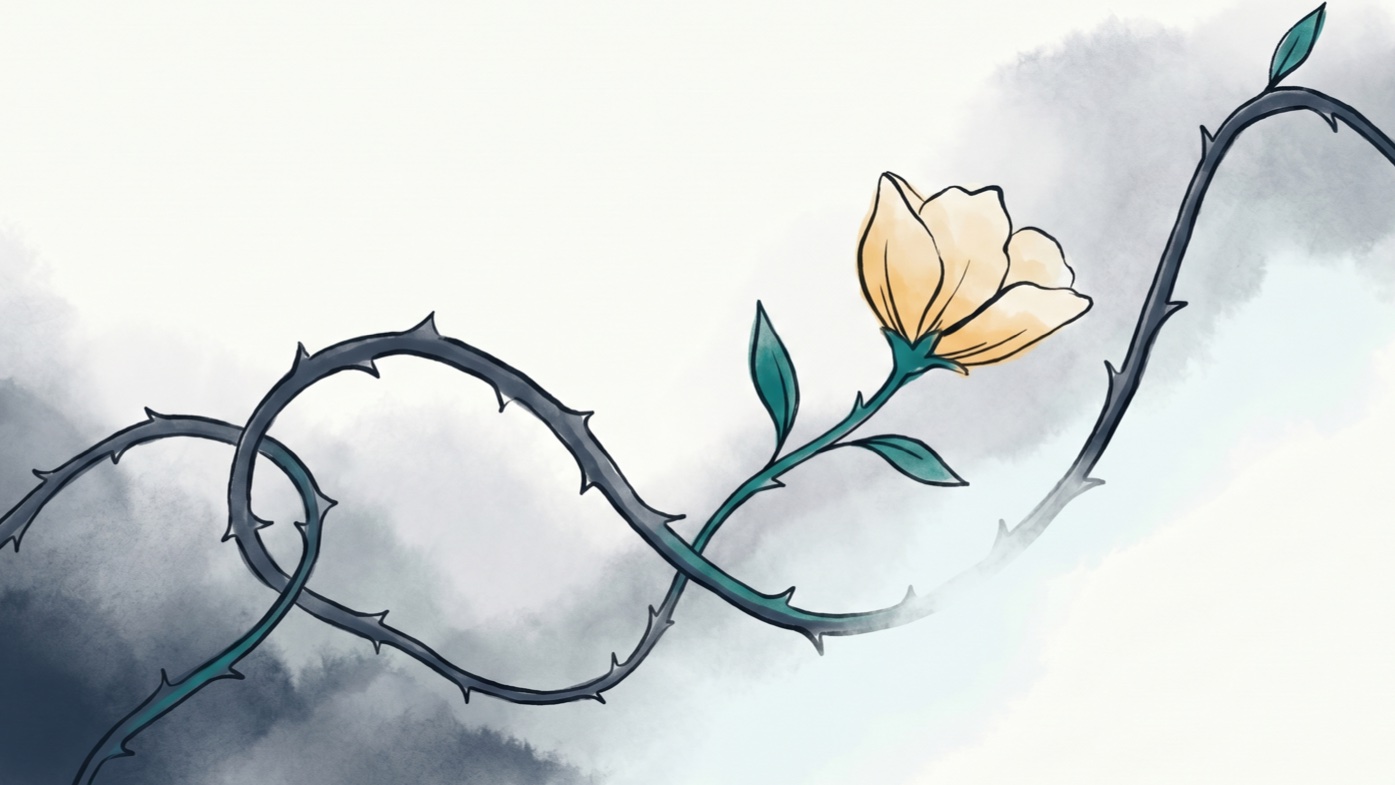
The trickiest thing about red flags is that they often feel like green ones at first. The intensity that feels like passion. The jealousy that feels like caring. The constant attention that feels like devotion. It's only later — sometimes months later, sometimes years — that you look back and realize the signs were there from the beginning.
This list isn't about minor annoyances or personality differences. These are patterns that, left unchecked, lead to relationships that damage you. Some you'll recognize immediately. Others might take a second read before the recognition hits.
1. They Move Extremely Fast
The relationship goes from zero to "soulmate" in weeks. They say "I love you" before they really know you. They talk about moving in, getting married, having kids — on date three. They want to spend every moment together and frame it as romance, not urgency.
This is lovebombing, and it's one of the most dangerous red flags precisely because it feels incredible. Nobody warns you that too much love, too fast, is a warning sign. But healthy relationships build gradually. Someone who's genuinely interested in you is comfortable with the pace of real life. Someone who rushes wants to lock you down before you see clearly.
The test: do you feel swept off your feet, or do you feel slightly overwhelmed? If the intensity makes you feel like you can't slow down without losing them — that's the flag.
2. They Isolate You From Your People
It starts subtly. They don't like your best friend. Your family makes them "uncomfortable." They have a conflict every time you have plans with someone else. Slowly, your social world shrinks until they're the only person left.
Isolation is the foundation of control. A partner who loves you wants you to have a full life with people who care about you. A partner who needs to control you wants to be your only source of support, validation, and connection. When they're the only person you can turn to, you can't leave — because leaving means having nobody.
3. They Dismiss Your Feelings
You tell them something hurt you. Their response: "You're too sensitive." "It was just a joke." "You're overreacting." "That's not what happened."
Occasional misunderstandings about feelings are normal. A consistent pattern of dismissing, minimizing, or redefining your emotional experience is not. It's a form of gaslighting — and over time, it makes you stop trusting your own perceptions. You start thinking maybe you ARE too sensitive. Maybe it WAS just a joke. Maybe you ARE remembering it wrong.
If you find yourself regularly questioning whether your emotional responses are valid, that's the flag.
4. They Have a Temper That Scares You
Not just anger — a temper that creates fear. Slamming doors. Punching walls. Throwing things. Screaming in a way that makes you flinch. Road rage that feels disproportionate. Explosive reactions to small frustrations.
They'll tell you they'd never hurt you. They might even believe it. But the wall they punched is a rehearsal. The door they slammed is a warning. Violence that's directed at objects today gets directed at people eventually — not always, but often enough that the pattern is well-documented.
You should never be afraid of the person you're in a relationship with. Fear is not a normal part of love. Not even a little bit.
5. They Keep Score
Every favour is a transaction. Every kind thing they do gets logged for later use. "After everything I've done for you" becomes the opening line of every argument. They bring up things from months ago — things you thought were resolved — as ammunition.
Healthy relationships have a rough balance of give and take, but nobody's keeping a spreadsheet. When your partner weaponizes their own generosity, it stops being generosity. It becomes a system of debt designed to keep you obligated.
6. They Control What You Do, Wear, or Who You See
Sometimes it's obvious: "You can't wear that." "I don't want you going out tonight." Sometimes it's subtle: a look of disapproval when you reach for certain clothes, a mood shift when you mention plans with friends, an assumption that you'll check in at specific times.
Control disguised as preference is still control. "I just prefer when you dress more conservatively" isn't a preference if there are consequences for not complying. "I just worry about you when you're out late" isn't concern if it comes with interrogation when you get home.
Recognizing these patterns in your relationship? Our free Relationship Health Quiz helps you assess what's happening — honestly and anonymously. Explore →
7. They Lie About Small Things
Big lies are obvious red flags. But chronic small lies — about where they were, what they ate, who they talked to, what time they got home — reveal something more fundamental: a relationship with truth that's flexible by default.
If they lie casually about things that don't matter, they'll lie strategically about things that do. The small lies aren't the problem — they're evidence of a pattern. And once you catch a few, you start questioning everything, which erodes your own stability.
8. They Never Take Responsibility
Something goes wrong and it's always someone else's fault. Their ex was crazy. Their boss is unfair. Their family is toxic. Traffic made them late. You made them angry. The situation forced them.
Everyone has moments of deflecting blame. But someone who never, in any context, says "I was wrong" or "that was my fault" has a relationship with accountability that will eventually become your problem. Because when something goes wrong between you two — and it will — it'll be your fault. Always.
9. They Punish You With Silence
The silent treatment isn't the same as someone who needs space after an argument. Space is communicated: "I need some time to cool down, I'll come back to this later." The silent treatment is uncommented, indefinite withdrawal designed to punish.
It creates anxiety by design. You don't know what you did wrong, how long it'll last, or what's required to end it. You find yourself apologizing for things you're not sure are your fault, just to make the silence stop. That's the point — it trains you to comply.
10. They're Cruel When They're Angry
Everyone says things they regret in arguments. But there's a difference between a frustrated comment you immediately wish you could take back and a targeted attack on your insecurities, your body, your family, your intelligence, or your worth as a person.
A partner who goes for the jugular when they're angry is showing you what they really think — or at minimum, showing you that they're willing to cause maximum damage to win a fight. Neither is acceptable. The apology afterward doesn't undo the words. And the words accumulate, even if you forgive each one individually.
11. Your Friends and Family Are Concerned
This is the red flag people dismiss most often — and it's often the most accurate. Your friends and family see what you can't because they're not inside the relationship's emotional field. They don't have the attachment hormones clouding their judgment.
When multiple people who love you independently express concern about your partner or your relationship, that's significant data. They might be wrong. But if several people who've known you for years and want the best for you are all saying the same thing — consider the possibility that they see something clearly that you can't see from inside.
12. You Feel Like You're Constantly Walking on Eggshells
This might be the most important flag on this list because it's a feeling, not a behavior. You're always monitoring their mood. You modify your behavior to avoid triggering a reaction. You rehearse conversations in your head before having them. You feel relief when they're in a good mood — not happiness, relief.
Walking on eggshells means your nervous system is in a chronic state of alert. Your body is telling you something your heart doesn't want to hear: this relationship is not safe. Not necessarily physically unsafe — but emotionally unsafe. And emotional safety is not a luxury. It's the foundation that everything else is built on.
One Red Flag vs a Pattern
A single item on this list, in isolation, might have an innocent explanation. People have bad days. People say things they regret. People go through phases of insecurity or controlling behavior driven by their own unresolved issues.
The difference between a red flag and a deal-breaker is pattern and response. If you raise a concern and your partner listens, acknowledges it, and genuinely works to change — that's a person with a flaw, not a toxic person. If you raise a concern and they dismiss, deflect, blame you, or temporarily improve before reverting — that's a pattern. And patterns don't change because you love someone hard enough.
What to Do If You're Recognizing These
If you read this list and your stomach dropped — take that seriously. You don't need to make a decision right now. But you do need to talk to someone outside the relationship. A friend you trust. A family member. A therapist or counsellor. A helpline if the situation involves fear or violence.
You're not betraying your partner by seeking perspective. You're protecting yourself. And you deserve protection — even from someone you love.
If you're in a situation involving physical danger, please reach out to your local domestic violence helpline. You don't have to be hit to qualify for help. Emotional abuse, financial control, and intimidation are all forms of domestic violence.
Key Takeaways:
- Red flags often feel like green ones at first — intensity, attention, and devotion can disguise control.
- One flag might be a bad day. Multiple flags forming a pattern is a warning you shouldn't ignore.
- The most important signal: how do you feel about yourself in this relationship? If the answer is smaller, quieter, and more anxious — that's your answer.
- Trust your friends' concerns. They see what you can't from inside.
- Raising a concern and having it dismissed IS the red flag. Partners who care, listen.
Not sure if your relationship is healthy? Take our free Relationship Health Quiz — anonymous, 60 seconds, personalised results. Explore →
Related Articles:
Topics
Related articles
Am I in a Toxic Relationship? A Self-Assessment
It's hard to see clearly when you're inside it. This honest self-assessment helps you figure out whether your relationship is toxic.
Gaslighting — How to Recognize It and What to Do
Gaslighting makes you question your own reality. Here's how to recognize it, understand why it works, and protect yourself.
How to Leave a Toxic Relationship Safely
Leaving is the hardest part. Here's how to plan your exit safely — emotionally, financially, and physically.
Love Bombing — Why It Feels Amazing and Why It's Dangerous
Constant attention, gifts, declarations of love from day one. It feels like a dream — but love bombing is a manipulation tactic. Here's how to spot it.