
When to Walk Away — Signs the Relationship Can't Be Saved
Sometimes leaving is the strongest thing you can do. Here are the signs it's time to walk away — and how to find the courage to do it.
Reviewed by certified relationship advisors
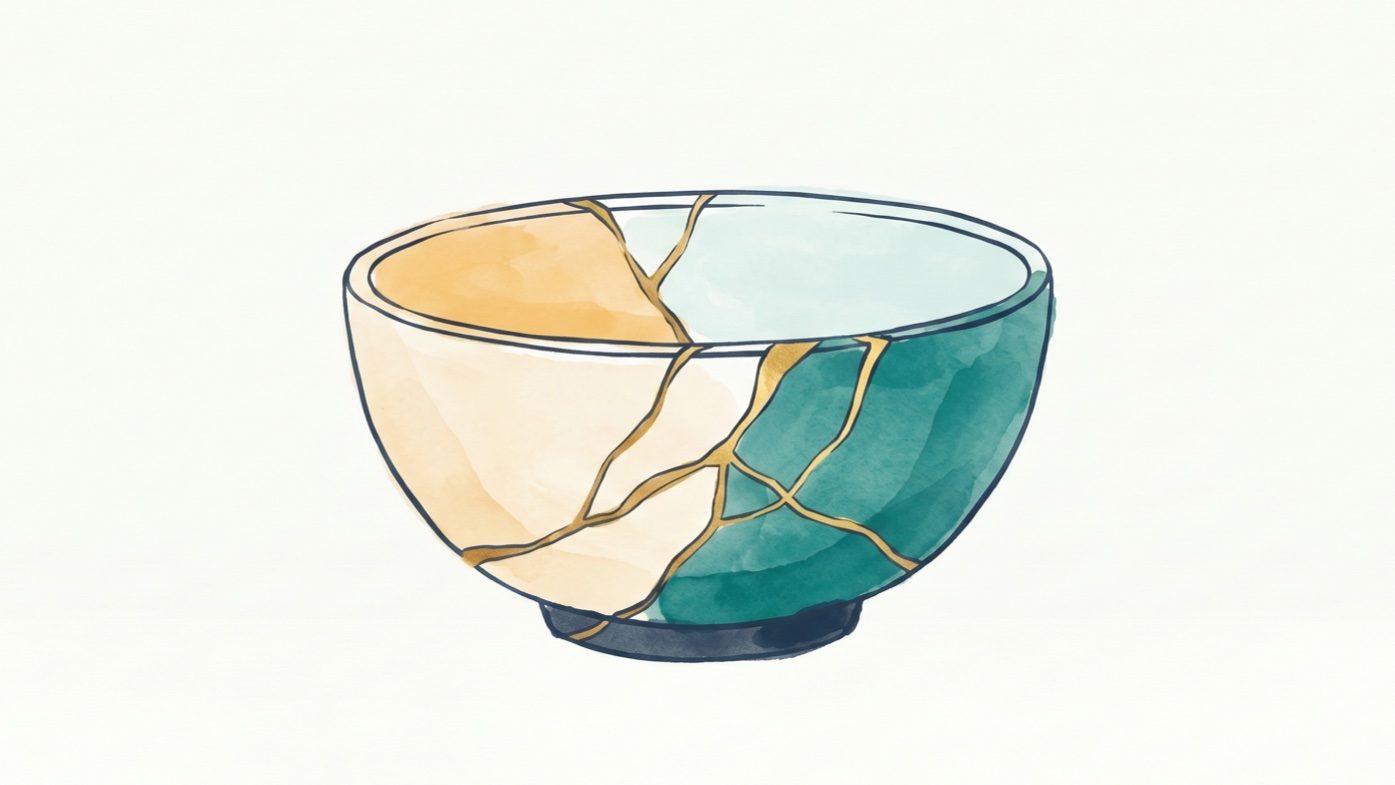
You might be reading this because you already know the answer. You're not looking for permission — you're looking for confirmation that what you're feeling is valid. It is.
Not every relationship can survive infidelity, and not every relationship should. Sometimes walking away isn't giving up — it's the clearest act of self-respect available to you. Here are the signs that this relationship has reached a point where staying does more damage than leaving.
They're Not Genuinely Sorry
Not sorry they got caught. Genuinely sorry for what they did and the damage they caused. The difference is visible in their behaviour, not just their words.
A person who is truly remorseful accepts full responsibility without blame-shifting. They don't minimise ("it was just texting," "it didn't mean anything"). They don't redirect ("if you'd been more attentive, I wouldn't have..."). They don't rush you ("it's been months, can't we move past this?").
If their version of remorse includes any of these patterns — minimising, redirecting, or rushing — what you're seeing isn't remorse. It's inconvenience. They're sorry they have to deal with the consequences, not sorry they caused them. And a relationship can't be rebuilt on inconvenience.
It's a Pattern, Not a One-Time Event
The first time might be a terrible choice. The second time is a pattern. And patterns predict future behaviour far more reliably than apologies.
If they've cheated before — in this relationship, in previous relationships, or both — the issue isn't the relationship. It's the person. A pattern of infidelity indicates either a fundamental values mismatch (they don't believe in monogamy but won't say so), a character issue (entitlement, impulsivity), or an unresolved psychological pattern (attachment avoidance, narcissism, addiction).
All of these can theoretically be addressed with sustained professional work. But "theoretically" and "actually" are very different things, and you are not obligated to be their rehabilitation project.
They Won't Cut Contact
If the cheating partner maintains any connection with the other person — even "just as friends," even at work without restructuring boundaries — the affair isn't over. It's dormant. And dormant affairs reactivate.
Full, verifiable cessation of contact with the other person is the baseline requirement for rebuilding. If they're unwilling to provide this — if they argue that you're being unreasonable, that the other person is "just a friend now," that you're controlling their friendships — they haven't chosen the relationship. They're trying to keep both options open.
You're Doing All the Work
Rebuilding after infidelity requires effort from both partners, but the proportional burden falls on the person who broke the trust. If you're the one researching how to heal, booking therapy appointments, initiating the hard conversations, and managing your own triggers while they coast — the imbalance itself is the problem.
A partner who is genuinely committed to rebuilding shows initiative: they bring up difficult topics, they proactively share where they've been, they read books or attend therapy, they check in on your emotional state without being prompted. If they're doing none of these things — if their version of "working on it" is simply not cheating again — that's a maintenance level of effort, not a rebuilding level.
Leaning toward a decision? Take our free Relationship Health Quiz for a clear-eyed assessment. Explore →
You're Staying for External Reasons Only
Ask yourself this: if there were no children, no shared mortgage, no fear of judgment, no financial dependence, and no fear of being alone — would you still choose to be in this relationship?
If the honest answer is no, the relationship isn't being held together by love or genuine desire to rebuild. It's being held together by logistics and fear. And those binding forces create a specific kind of misery — one where you feel trapped rather than chosen, where you resent the very things (kids, house, shared life) that were supposed to bring joy.
External factors deserve consideration. But they're not reasons to stay — they're complications that require planning. If you would leave without them, then the plan isn't "how do I stay?" — it's "how do I navigate the leaving given these factors?"
The Trust Is Broken Beyond Repair
Some breaks can't be mended. If you've given the rebuilding genuine time and effort — months, not weeks — and you still can't look at them without seeing the betrayal, still can't believe their explanations, still can't imagine a future where you feel safe — the trust may be permanently damaged.
This isn't a failing on your part. Some violations exceed our capacity to repair, and acknowledging that honestly is healthier than forcing a forgiveness you don't feel. Living in a relationship where you can't trust your partner is a slow erosion of your wellbeing. You deserve better than a life of vigilance.
You're Afraid to Leave, Not Choosing to Stay
Fear of leaving and desire to stay feel similar from the inside but lead to very different outcomes. Fear-based staying is marked by: thoughts like "I can't make it on my own," avoidance of imagining life without them, staying because the unknown feels worse than the known, and a sense of being trapped rather than committed.
If your dominant feeling is fear rather than hope — if you're more afraid of what's outside the relationship than attracted to what's inside it — that's the clearest sign that staying isn't serving you. Fear is not a foundation for rebuilding. It's a cage.
Finding the Courage to Leave
If you've recognised yourself in multiple sections above, the next question is the hardest one: how do you actually do it?
Start with support. Tell one trusted person that you're considering leaving. Not for advice — for witness and accountability. Having someone who knows your intention makes it real in a way that private deliberation doesn't.
Plan practically. Understand your financial situation. Know where you'd live. If children are involved, research your local custody framework. Practical knowledge reduces fear because it transforms "I can't" into "here's how."
Accept that it will hurt. Leaving a relationship — even a damaged one — involves genuine grief. You're losing a person, a shared life, and a version of the future you'd imagined. The pain of leaving doesn't mean you made the wrong decision. It means the decision was significant. Those aren't the same thing.
And remember: leaving is not failure. Staying in a relationship that slowly destroys your self-worth, your peace, and your ability to trust — that's not commitment. That's self-abandonment. Walking away from that is one of the strongest things you'll ever do.
Key Takeaways:
- If they're not genuinely remorseful (minimising, rushing, blame-shifting), the foundation for rebuilding doesn't exist.
- A pattern of cheating is a person issue, not a relationship issue. Patterns predict future behaviour.
- If they won't cut contact with the other person completely, the affair isn't over — it's dormant.
- If you're doing all the rebuilding work, the imbalance itself is the problem.
- If you would leave without the external factors (kids, house, money, fear), the plan is how to navigate leaving — not whether to stay.
- Leaving is not failure. It's self-respect. And sometimes it's the bravest choice available.
Ready for an honest assessment? Take our free quiz — personalised insights for your exact situation. Explore →
Related Articles:
Topics
Related articles
Can a Relationship Survive Cheating? Honest Answer
The honest answer is: sometimes yes, sometimes no. Here's how to know which one applies to your situation.
How to Forgive a Cheating Partner (If You Choose To)
Forgiveness after cheating isn't about letting them off the hook. It's about freeing yourself. Here's how it actually works.
Rebuilding Trust After Infidelity — A Step by Step Guide
You've decided to try. Here's the honest roadmap for rebuilding trust after cheating — what it actually takes, how long it takes, and what to expect.
The Stages of Healing After Being Cheated On
Healing after betrayal isn't linear. Understanding the stages helps you know you're not going crazy — you're going through a process.