
Can a Relationship Survive Cheating? Honest Answer
The honest answer is: sometimes yes, sometimes no. Here's how to know which one applies to your situation.
Reviewed by certified relationship advisors
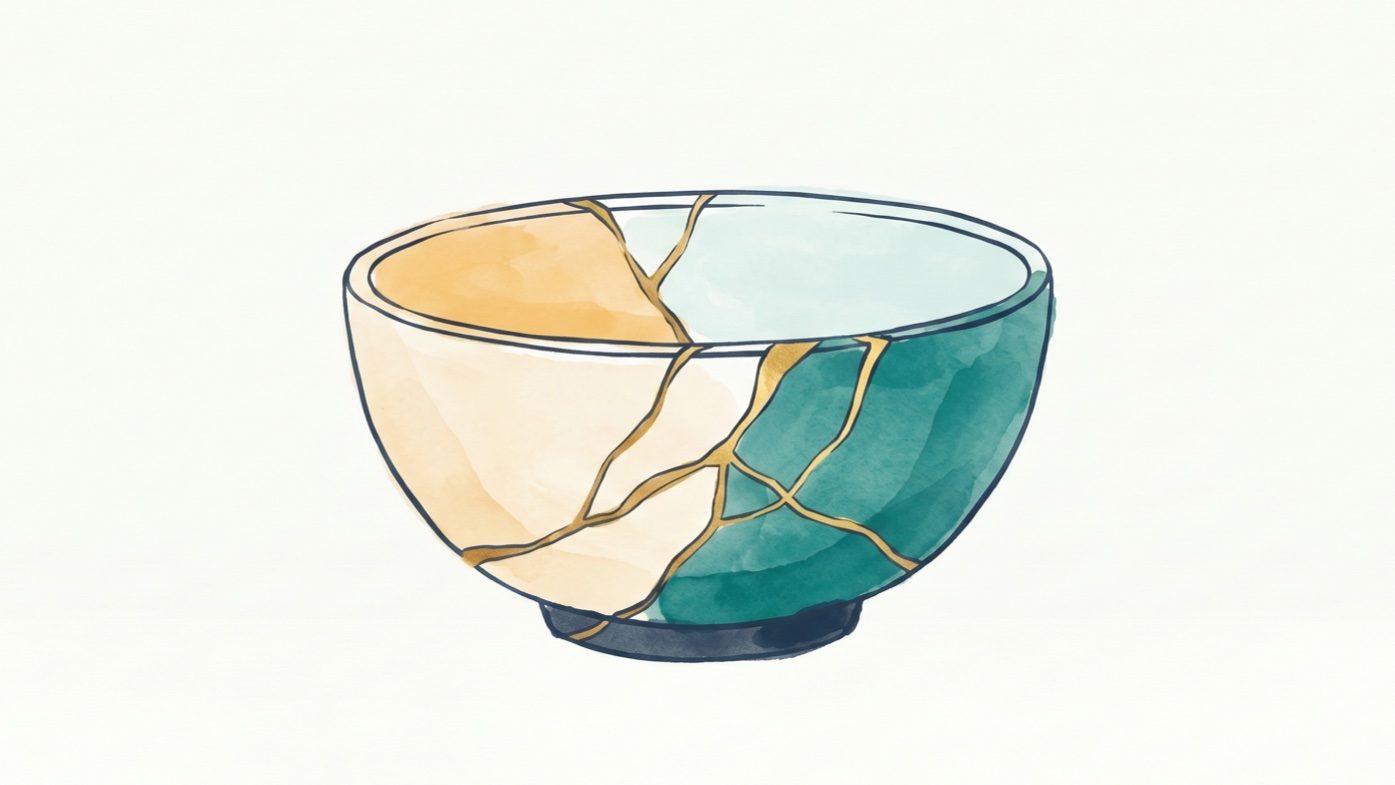
You want someone to give you a definitive answer. Either "yes, you can get through this" or "no, it's over." But the honest answer is that it depends — not on luck, not on time, but on specific, identifiable conditions.
Research shows that somewhere between 60-75% of couples stay together after infidelity is discovered. But staying together and thriving are very different things. Many couples who stay together build something stronger than what they had before. Many others stay together in a diminished, resentful version of the relationship that neither person actually wants. The outcome depends on what both people are willing to do — and what they're not.
Conditions Where Survival Is Possible
Not every relationship can survive infidelity — but many can. The ones that make it typically share several of these conditions:
Full, genuine accountability. The cheating partner takes complete responsibility without blame-shifting, minimising, or making excuses. Not "I cheated because you weren't meeting my needs" — that's blame wrapped in an explanation. Real accountability sounds like: "I made a terrible choice. There is no justification. I understand the damage I've caused and I'm committed to repairing it."
The affair is completely over. No contact with the other person. No "we're just friends now." No lingering connections. Over means over — verifiably, transparently, permanently. If the cheating partner isn't willing to sever the connection entirely, they haven't chosen the relationship.
Both partners want to rebuild. Not just the cheater wanting forgiveness. Not just the betrayed partner wanting things to go back to normal. Both people actively choosing to invest in rebuilding — knowing it will be painful, slow, and uncertain. This isn't a unilateral decision. Both partners need to be in, fully.
Willingness to be transparent. The cheating partner accepts a period of radical transparency — open phone, shared locations, proactive communication about whereabouts. Not as punishment, but as medicine. This transparency isn't permanent, but it's necessary during the rebuilding phase. A cheating partner who insists on privacy immediately after discovery is prioritising their comfort over the healing process.
Professional support. Couples who navigate infidelity with the help of a therapist specialising in betrayal have significantly better outcomes than those who try to work through it alone. This isn't because the couple is incapable — it's because the emotional intensity of infidelity makes rational conversation nearly impossible without a skilled facilitator.
Weighing your options? Take our free Relationship Health Quiz for a personalised assessment of your situation. Explore →
Conditions Where Survival Is Unlikely
Some situations make recovery extremely difficult — not impossible, but the odds shift dramatically against:
The cheating partner isn't remorseful. If they're sorry they got caught but not sorry they did it, the foundation for rebuilding doesn't exist. Genuine remorse isn't just words — it's visible distress about the harm caused, active effort to repair, and patience with the betrayed partner's pain. If the cheating partner is impatient, dismissive, or defensive about the aftermath, they haven't grasped what they've done.
It's a pattern, not an incident. A single affair, while devastating, is more recoverable than a pattern of serial cheating. If they've cheated in this relationship before — or in every relationship they've had — the problem isn't the relationship. It's the person. Patterns predict future behaviour far more reliably than promises.
There's no willingness to do the hard work. Recovery from infidelity requires months of uncomfortable conversations, triggered emotions, and deliberate rebuilding. If either partner isn't willing to endure the process — the cheater who wants to "move on" too quickly, or the betrayed partner who refuses to engage with the rebuilding — the relationship will stall in a painful limbo.
The relationship was already damaged. If infidelity occurred in a relationship that was already characterised by contempt, abuse, or fundamental incompatibility, the cheating isn't the primary problem — it's a symptom of pre-existing decay. Fixing the cheating without fixing the underlying issues won't save the relationship.
Abuse is present. If the cheating partner is also abusive — physically, emotionally, or financially — the focus should be on safety, not reconciliation. Infidelity recovery requires vulnerability, and you cannot be vulnerable with someone who uses your vulnerability against you.
The Difference Between Surviving and Thriving
Many couples "survive" infidelity by sweeping it under the rug. The affair is never discussed again. The cheating partner promises it won't happen again. Everyone pretends to move on. The relationship continues — but underneath, resentment festers, trust remains broken, and both partners know that the unprocessed wound is still there, silently shaping every interaction.
Surviving isn't enough. The goal is to process what happened fully, understand why it happened, grieve what was lost, and build something new on top of the wreckage — something that both partners genuinely want to be in.
Couples who thrive after infidelity typically report that the crisis, as horrific as it was, forced them to confront issues they'd been avoiding for years. The affair became the catalyst for a level of honesty and intentionality that they'd never achieved before. This doesn't make the affair "worth it" — but it means the aftermath can produce something genuinely better than what existed before.
Staying for the Wrong Reasons
Before deciding to stay, check your motivations honestly:
Fear of being alone is not a reason to stay. It's a reason to work on your independence — in or out of this relationship.
Children are a factor but not the only factor. Research consistently shows that children do better with two healthy, separate parents than with two miserable, together parents. Staying "for the kids" while living in a home full of resentment and distrust does not protect them.
Financial dependence is a practical concern that deserves practical planning — not a reason to accept ongoing disrespect. If finances are the only thing keeping you, that's an exit-planning problem, not a relationship problem.
Shame — the fear of what people will think — is never a reason to stay. The people whose opinions matter will support whatever decision is genuinely best for you.
Staying is valid when you genuinely want to rebuild AND the conditions for successful rebuilding exist. Staying is damaging when you're staying because leaving feels scarier than staying in pain.
Key Takeaways:
- 60-75% of couples stay together after infidelity, but staying together ≠ thriving.
- Survival requires: full accountability, the affair being completely over, both partners wanting to rebuild, radical transparency, and ideally professional support.
- Survival is unlikely when: there's no genuine remorse, it's a pattern, nobody's willing to do the hard work, or abuse is present.
- Check your motivation: staying from fear, shame, or finances isn't the same as staying because you want to rebuild something real.
- Thriving after infidelity is possible — but only when both partners are willing to do the most uncomfortable work of their lives.
Trying to decide? Take our free quiz for a personalised assessment of where your relationship stands — and what your realistic options are. Explore →
Related Articles:
Topics
Related articles
How to Forgive a Cheating Partner (If You Choose To)
Forgiveness after cheating isn't about letting them off the hook. It's about freeing yourself. Here's how it actually works.
Rebuilding Trust After Infidelity — A Step by Step Guide
You've decided to try. Here's the honest roadmap for rebuilding trust after cheating — what it actually takes, how long it takes, and what to expect.
The Stages of Healing After Being Cheated On
Healing after betrayal isn't linear. Understanding the stages helps you know you're not going crazy — you're going through a process.
How to Decide Whether to Stay or Leave
The hardest decision you'll face. Here's a framework to help you think clearly when everything feels emotional.