
The Stages of Healing After Being Cheated On
Healing after betrayal isn't linear. Understanding the stages helps you know you're not going crazy — you're going through a process.
Reviewed by certified relationship advisors
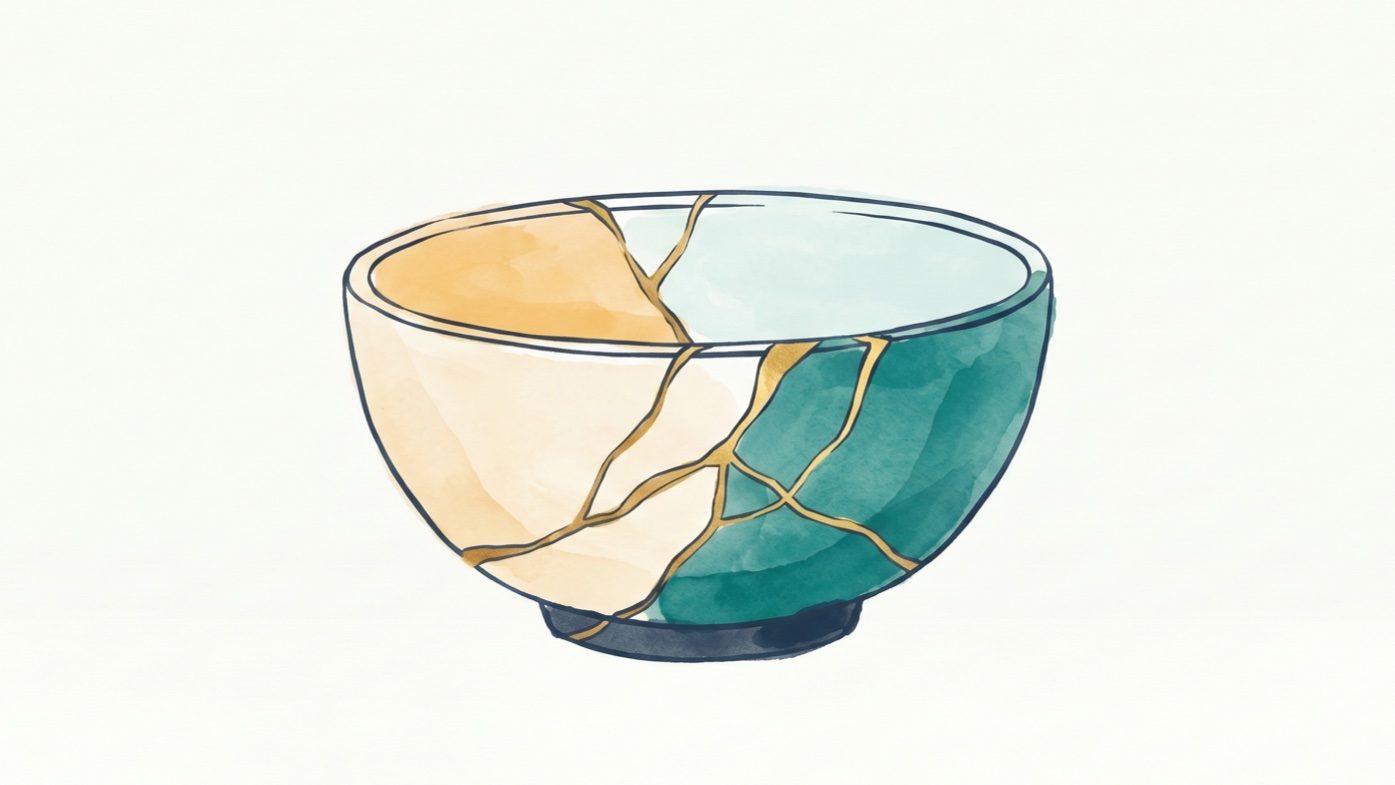
You're going to feel a lot of things, and most of them will arrive without warning, in the wrong order, at inconvenient times. You'll be fine at lunch and destroyed by dinner. You'll feel numb on Monday and furious on Tuesday. You'll think you've made peace with it and then wake up at 3am feeling like it happened yesterday.
This is normal. Not comfortable, not fun, but normal. What you're experiencing has a shape — not a schedule, but a general pattern that most people move through after betrayal. Knowing the shape helps because it turns "am I going crazy?" into "ah, this is the anger stage."
Stage 1: Shock and Denial
The first response to discovering infidelity is often nothing. Not nothing emotionally — nothing that makes sense. Numbness. Unreality. A feeling of watching yourself from outside your body. "This isn't happening" plays on repeat even though you know it is.
Shock is your brain's circuit breaker. The information is too large to process all at once, so your nervous system dulls the impact. You might function normally — go to work, make dinner, have conversations — while feeling like you're operating on autopilot.
Denial isn't delusion. It's a temporary buffer that lets you absorb the reality incrementally instead of all at once. It protects you from making decisions while your system is overwhelmed. Let it do its job. It will lift on its own, usually within days to two weeks.
Stage 2: Rage
When the shock wears off, the anger arrives. And it's not polite anger. It's the kind that makes you want to throw things, scream, send messages you'll regret, tell everyone what they did, and burn everything to the ground.
This anger is healthy. It means your system has moved from "this can't be real" to "this is real and it's not okay." The anger is your psyche defending you — asserting that what happened was wrong and that you deserved better.
The challenge isn't feeling the anger — it's directing it. Anger aimed at destruction (public shaming, revenge affairs, property damage) creates consequences you'll carry long after the anger fades. Anger aimed at clarity (naming what was done, asserting your worth, demanding accountability) builds the foundation for whatever comes next.
Feel the rage. Express it to trusted people. Write it down in the ugliest words you need. But don't aim it at permanent targets.
Stage 3: Bargaining and Self-Blame
This is the cruelest stage because it turns the pain inward. "If I had been more attentive." "If I'd lost weight." "If I'd been more available sexually." "If I'd noticed sooner."
Bargaining is your brain trying to find a cause it can control — because a controllable cause means you could have prevented it, which means you have power over whether it happens again. The alternative — that someone you trusted made a choice you couldn't have prevented — is more frightening because it's uncontrollable.
The truth your bargaining is trying to avoid: their cheating was their choice. Not your failure, not your inadequacy, not something you caused by being too much or not enough. You could have been the perfect partner and they still might have cheated — because cheating is about the cheater's internal landscape, not the betrayed partner's external qualities.
This stage often requires the most support — a therapist, a trusted friend, or even just an article like this one telling you clearly: it wasn't your fault. Say it until you believe it, because it's true.
Processing the stages? Take our free Relationship Health Quiz — personalised insights for where you are right now. Explore →
Stage 4: Depression and Grief
After the anger burns down and the bargaining exhausts itself, what's left is grief. Deep, heavy, sometimes immobilising sadness. Not just grief for the relationship (which may or may not continue) but grief for what you thought the relationship was. The version of your partner you trusted. The future you imagined. The story you were telling yourself about your life.
This is the stage where people feel most stuck — because depression doesn't have the energy of anger. It's flat, grey, and heavy. Getting out of bed is an achievement. Concentrating on work feels impossible. Nothing tastes right. You cry at commercials.
This stage passes too. Not quickly — grief moves at its own pace and rushing it doesn't work. But it shifts. The grey lifts in patches. Hours of normalcy appear between the grief waves. The waves themselves get shorter. And one morning, you wake up and the first thing you think about isn't them.
Stage 5: Acceptance
Acceptance isn't forgiveness. It isn't "being okay with it." It isn't moving on as if nothing happened.
Acceptance is integrating the experience into your life story without it dominating every chapter. It happened. It was painful. It changed you. And your life continues — different from what you planned, but still yours.
You'll know you're approaching acceptance when you can think about the situation without a physical reaction. When the story of what happened becomes something you reference rather than something you relive. When you can see them — whether you're still together or not — without the emotional flooding that characterised the earlier stages.
Acceptance isn't the end of feelings. You might always feel a twinge when the topic comes up. You might always have a scar where the wound was. But the wound is no longer open, and the scar doesn't control your life.
The Part Nobody Mentions: It's Not Linear
These stages suggest a clean sequence: shock → anger → bargaining → depression → acceptance. In reality, it's more like a washing machine. You'll be in acceptance on Thursday and back in rage on Friday. You'll skip bargaining entirely, then hit it six months later. You'll cycle through multiple stages in a single afternoon.
This is normal. Non-linear healing is the actual norm — the linear model is just easier to explain. If you're bouncing between stages, you're not failing at healing. You're doing it the messy, human way that everyone actually does it.
The overall trend is what matters. Not "am I in the right stage?" but "are the peaks less intense and the valleys less deep than they were a month ago?" If yes, you're healing. Even on the days it doesn't feel like it.
Key Takeaways:
- The stages are: shock/denial, rage, bargaining/self-blame, depression/grief, and acceptance. But they don't arrive in order.
- Anger is healthy — it's your system defending you. Direct it at clarity, not destruction.
- Bargaining turns the pain inward: "If I had been better..." Stop. It wasn't your fault. Their choice, their responsibility.
- Depression is the heaviest stage. It lifts in patches, not all at once.
- Acceptance isn't "being okay with it." It's integrating the experience without it dominating your life.
- Healing is non-linear. The overall trend matters more than any individual day.
Where are you in the process? Take our free quiz for a personalised assessment. Explore →
Related Articles:
Topics
Related articles
Can a Relationship Survive Cheating? Honest Answer
The honest answer is: sometimes yes, sometimes no. Here's how to know which one applies to your situation.
How to Forgive a Cheating Partner (If You Choose To)
Forgiveness after cheating isn't about letting them off the hook. It's about freeing yourself. Here's how it actually works.
Rebuilding Trust After Infidelity — A Step by Step Guide
You've decided to try. Here's the honest roadmap for rebuilding trust after cheating — what it actually takes, how long it takes, and what to expect.
How to Decide Whether to Stay or Leave
The hardest decision you'll face. Here's a framework to help you think clearly when everything feels emotional.