
How to Forgive a Cheating Partner (If You Choose To)
Forgiveness after cheating isn't about letting them off the hook. It's about freeing yourself. Here's how it actually works.
Reviewed by certified relationship advisors
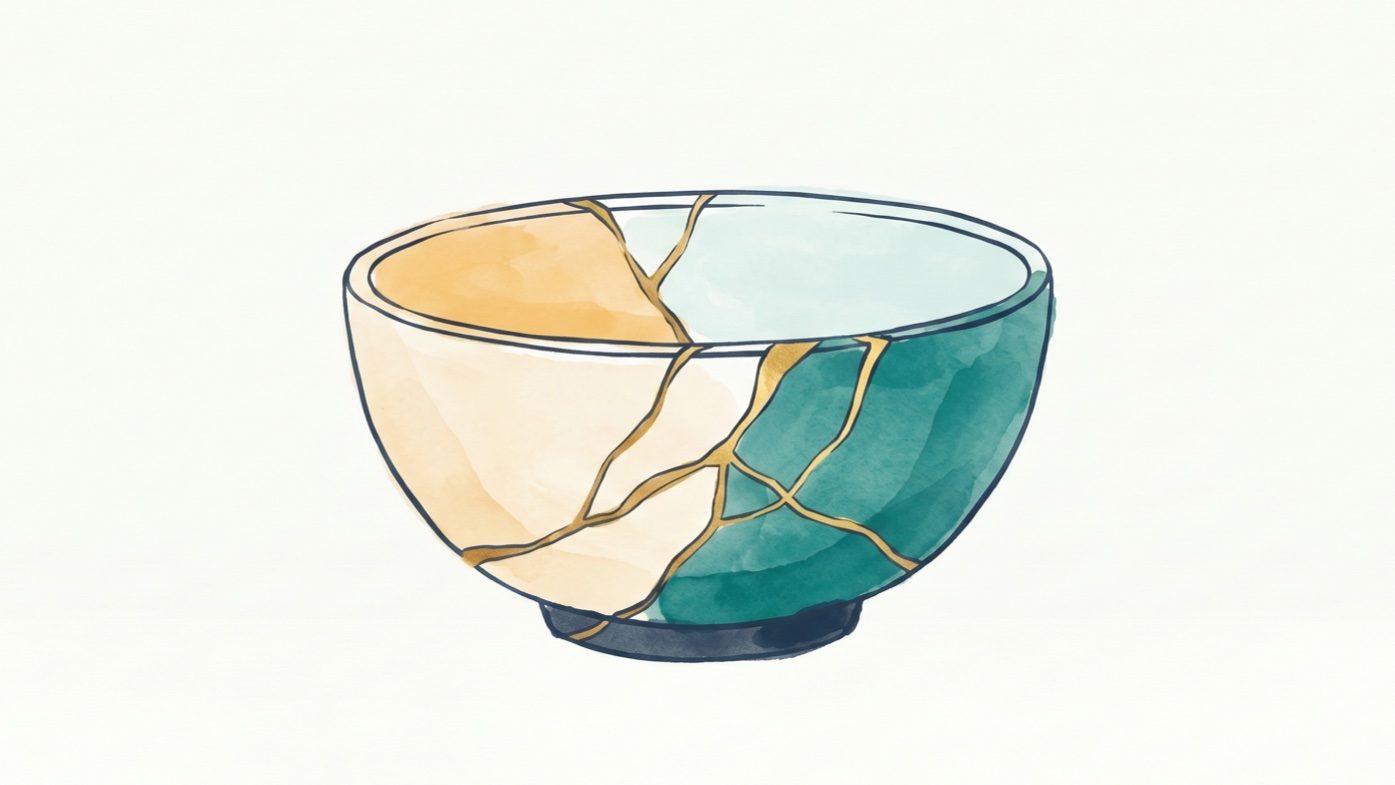
Forgiveness is the most misunderstood word in the infidelity conversation. People hear "forgive" and think it means "be okay with it." It doesn't. People think it means "forget it happened." It doesn't. People think it means "give them a free pass to do it again." It absolutely doesn't.
Forgiveness, at its core, is a decision to stop letting what they did control your emotional life. It's about you — not about them.
What Forgiveness Actually Is
Forgiveness is releasing the emotional hold that the betrayal has on you. It's the shift from "this thing they did defines my days" to "this thing they did happened, and I'm choosing to move forward."
It doesn't mean the pain disappears. It means the pain stops being the primary organising principle of your emotional life. You stop reliving it on loop. You stop building your days around the wound. You begin to invest your emotional energy in the present and the future instead of the past.
This is a process, not a moment. There's no single instant where you "forgive" and everything changes. There are hundreds of small moments where you choose, again, to not let the betrayal run the show. Some days the choice is easy. Some days it's the hardest thing you do.
What Forgiveness Is NOT
It's not pretending it didn't happen. Forgiveness doesn't require amnesia. The event happened. It matters. It changed things. You're allowed to remember it, reference it when relevant, and maintain boundaries informed by it.
It's not restoring blind trust. Forgiving someone doesn't mean trusting them the way you did before. Trust is rebuilt through evidence over time. Forgiveness and trust are separate processes running on separate timelines.
It's not something you owe anyone. Nobody — not your partner, not your family, not your faith community, not a therapist — gets to tell you that you must forgive. Forgiveness is a choice you make for yourself, on your own timeline, for your own reasons. Pressure to forgive before you're ready causes more damage than the delay.
It's not a one-time decision. You'll "forgive" and then get triggered and feel the anger rush back. That doesn't mean you failed at forgiveness. It means you're human. Forgiveness is a direction you face, not a destination you arrive at.
You Can Forgive and Still Leave
This is the part that surprises people. Forgiveness and staying together are not the same thing. You can forgive your partner for what they did AND decide that the relationship is over. The forgiveness is for your peace. The leaving is for your future. Both can coexist.
In fact, some of the healthiest post-infidelity outcomes involve exactly this: the betrayed partner processes the pain, reaches a place of genuine peace about what happened, and then moves on — not from anger, but from clarity. They don't carry bitterness into their next relationship because they did the forgiveness work. But they also don't stay in a relationship that's no longer right for them.
Working through forgiveness? Take our free Relationship Health Quiz for personalised insights. Explore →
How Forgiveness Actually Happens
It starts with grief, not willpower. You can't forgive something you haven't fully grieved. If you try to skip the anger, the sadness, and the processing — and jump straight to "I forgive you" — the forgiveness isn't genuine. It's avoidance. The stages of healing come before the possibility of forgiveness, not after.
It requires full understanding. Forgiving something you don't understand is just denial. You need to understand what happened, why it happened (to the extent that's possible), and what it means for your relationship. This understanding doesn't have to come through interrogation — therapy, reflection, and honest conversation all contribute.
It's choosing to stop punishing. At some point in the process, you'll notice that your pain has evolved into a tool. You bring up the affair to win arguments. You use the guilt to get your way. You punish with coldness when you're triggered. This is understandable — but it's also unsustainable. Forgiveness includes choosing to stop weaponising the betrayal, even when it would be effective.
It's gradual and often invisible. You won't feel a dramatic shift. What happens instead: one day you'll realise you haven't thought about the affair in a week. You'll notice you don't flinch when their phone buzzes. You'll have a conversation about the future without the affair as a subtext. These moments accumulate quietly. That's forgiveness doing its work.
Forced and Rushed Forgiveness Causes More Harm
If your partner is pressuring you to forgive on their timeline — "It's been four months, when are you going to move past this?" — that pressure is itself a red flag. A genuinely remorseful partner creates space for your process. An impatient one prioritises their comfort over your healing.
Similarly, if you're pressuring yourself — "I should be over this by now" — ease up. Should is not a useful word in the forgiveness process. You're not behind schedule. You're processing a significant trauma at the pace your system allows.
Rushing forgiveness creates a brittle surface that cracks under pressure. The first trigger shatters the forced peace and you're back to square one — plus the additional frustration of "I thought I'd dealt with this." True forgiveness takes time because it involves genuine neurological and emotional rewiring. That rewiring doesn't run on willpower alone.
Key Takeaways:
- Forgiveness means releasing the emotional hold — not forgetting, not excusing, not trusting blindly.
- You can forgive and still leave. Forgiveness is for your peace. Staying or leaving is a separate decision.
- Forgiveness starts with grief, not willpower. You can't forgive what you haven't fully processed.
- It's gradual: you won't feel a dramatic shift. You'll notice one day that the grip has loosened.
- Nobody gets to set your forgiveness timeline — not your partner, not your family, not yourself.
- Forced or rushed forgiveness causes more harm. It needs to be genuine to be durable.
Where are you in your healing? Take our free quiz for a personalised assessment. Explore →
Related Articles:
Topics
Related articles
Can a Relationship Survive Cheating? Honest Answer
The honest answer is: sometimes yes, sometimes no. Here's how to know which one applies to your situation.
Rebuilding Trust After Infidelity — A Step by Step Guide
You've decided to try. Here's the honest roadmap for rebuilding trust after cheating — what it actually takes, how long it takes, and what to expect.
The Stages of Healing After Being Cheated On
Healing after betrayal isn't linear. Understanding the stages helps you know you're not going crazy — you're going through a process.
How to Decide Whether to Stay or Leave
The hardest decision you'll face. Here's a framework to help you think clearly when everything feels emotional.