
How to Tell Your Partner You're Unhappy
You're unhappy in the relationship but don't know how to say it without it sounding like 'I want to break up.' Here's how.
Reviewed by certified relationship advisors
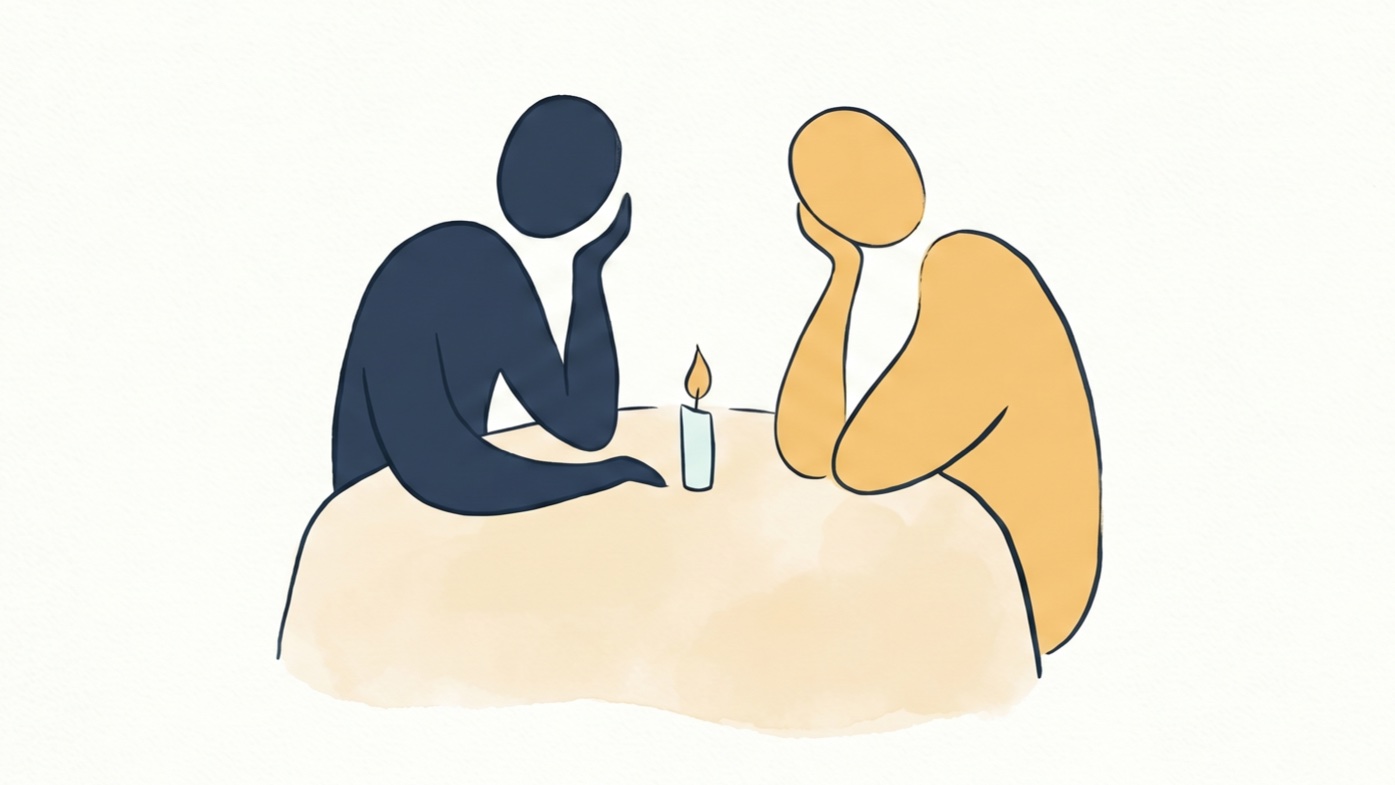
You're not happy. Not miserable — not abused, not betrayed, not in crisis. Just... not happy. And you don't know how to say that to the person you love without it sounding like a breakup announcement.
So you say nothing. Weeks turn into months. The unhappiness doesn't resolve itself (it never does). And the distance between how you feel and what you show grows until the relationship is running on performance rather than genuine connection.
This is one of the most common and most corrosive relationship dynamics — and the only solution is the conversation you keep postponing.
Why This Conversation Is So Hard
"I'm not happy" feels like a grenade. You imagine their face: hurt, defensive, panicked. You imagine the response: "What do you mean? I thought things were fine." Or worse: "Then leave." You don't want either of those responses, so you don't throw the grenade. You hold it.
The fear is understandable. But the fear is based on a misunderstanding. "I'm unhappy" doesn't have to mean "I'm done." It can — and should — mean "I love you, I want this to work, and something needs to change for me to feel good in this relationship again." That's not a threat. It's an invitation.
Framing: Improvement, Not Exit
The entire conversation hinges on framing. If your partner hears "I'm unhappy" as "I'm leaving," they'll respond from panic. If they hear it as "I want us to be better," they'll respond from partnership.
What to say: "I need to be honest about something. I've been feeling disconnected from us lately — not from you, but from how we've been together. I don't want to end this. I want to fix what's making me feel this way. Can we talk about it?"
What not to say: "I'm not happy in this relationship." (Too vague, too absolute, sounds like a conclusion rather than an opening.) "You're making me unhappy." (Blame, not partnership.) "Things need to change." (Demand without specificity or collaboration.)
The difference is subtle but the impact is enormous. The first version says "we have a problem and I want to solve it with you." The second versions say "you're the problem."
Be Specific About What's Wrong
"I'm not happy" is a feeling, not a diagnosis. Your partner can't fix a vague feeling. They can address specific concerns.
Before the conversation, identify what's actually driving the unhappiness. Is it the lack of quality time? The way conflicts are handled? Feeling undervalued? Sexual disconnection? Boredom? Different life visions? Unequal effort?
Once you've identified it, present it specifically: "I feel like we've stopped making time for each other. We used to have date nights and real conversations, and now we're mostly just coexisting. I miss the connection." This gives your partner something actionable. "I'm unhappy" gives them panic.
Feeling disconnected? Take our free Relationship Health Quiz for personalised insights. Explore →
How They Might React
Relief. Surprisingly common. They've been feeling the same thing and didn't know how to say it. Your honesty opens a door they wanted to walk through too.
Defensiveness. "I do everything for this relationship!" They heard criticism, not concern. Redirect: "I'm not saying you're not trying. I'm saying something isn't working for me, and I want to figure out together what that is."
Hurt. "I thought you were happy." This is genuine pain and deserves genuine empathy. "I know this is hard to hear. I care about you too much to keep pretending everything's fine when it's not."
Dismissal. "You're overthinking it." "Things are fine." This is the most dangerous response because it shuts the conversation down without addressing anything. If they dismiss your experience, name it directly: "I understand you see it differently. But this is how I feel, and dismissing it won't make it go away."
Panic. "Are you breaking up with me?" Reassure clearly: "No. I'm bringing this up because I want to stay. People who want to leave don't have this conversation — they just leave."
What Happens After
The conversation isn't the solution — it's the beginning of the solution. What matters is what both of you do next.
Agree on specific changes — not vague commitments ("we'll try harder") but concrete actions ("we'll have one device-free evening per week" or "we'll check in every Sunday about how we're both feeling"). Specificity is the difference between intentions and results.
Give it time. Change doesn't happen in the conversation — it happens in the weeks after. Track whether the agreed changes are actually happening. If they are, acknowledge it — positive reinforcement matters. If they're not, raise it again — not as accusation, but as observation.
And check yourself too. Unhappiness in a relationship isn't always 100% the other person's responsibility. Ask yourself honestly: what am I contributing to the dynamic? What could I do differently? The most productive version of this conversation is one where both partners take responsibility for the gap between where you are and where you want to be.
Key Takeaways:
- "I'm unhappy" doesn't have to mean "I'm leaving." Frame it as wanting to improve, not exit.
- Be specific: identify what's driving the unhappiness before the conversation. Vague feelings can't be addressed.
- Framing matters: "I want us to be better" lands differently than "you're making me unhappy."
- Prepare for multiple reactions: relief, defensiveness, hurt, dismissal, panic. Each needs a different response.
- Agree on specific changes, not vague promises. Then track whether they're happening.
- Check your own contribution. Relationship unhappiness is rarely entirely one-sided.
Related Articles:
Related articles
How to Bring Up Something That's Bothering You
Something's been eating at you but you don't know how to say it. Here's a framework for bringing up concerns without starting a war.
How to Talk About the Future Without Scaring Them Off
You want to know where this is going — but asking feels risky. Here's how to talk about the future without pressuring.
How to Talk About Money in a Relationship
Money is one of the top sources of relationship conflict. Here's how to talk about finances without judgment, shame, or resentment.
How to Discuss Past Relationships With Your Partner
How much should you share about your exes? Here's how to navigate the past-relationship conversation honestly.