
How to Talk About the Future Without Scaring Them Off
You want to know where this is going — but asking feels risky. Here's how to talk about the future without pressuring.
Reviewed by certified relationship advisors
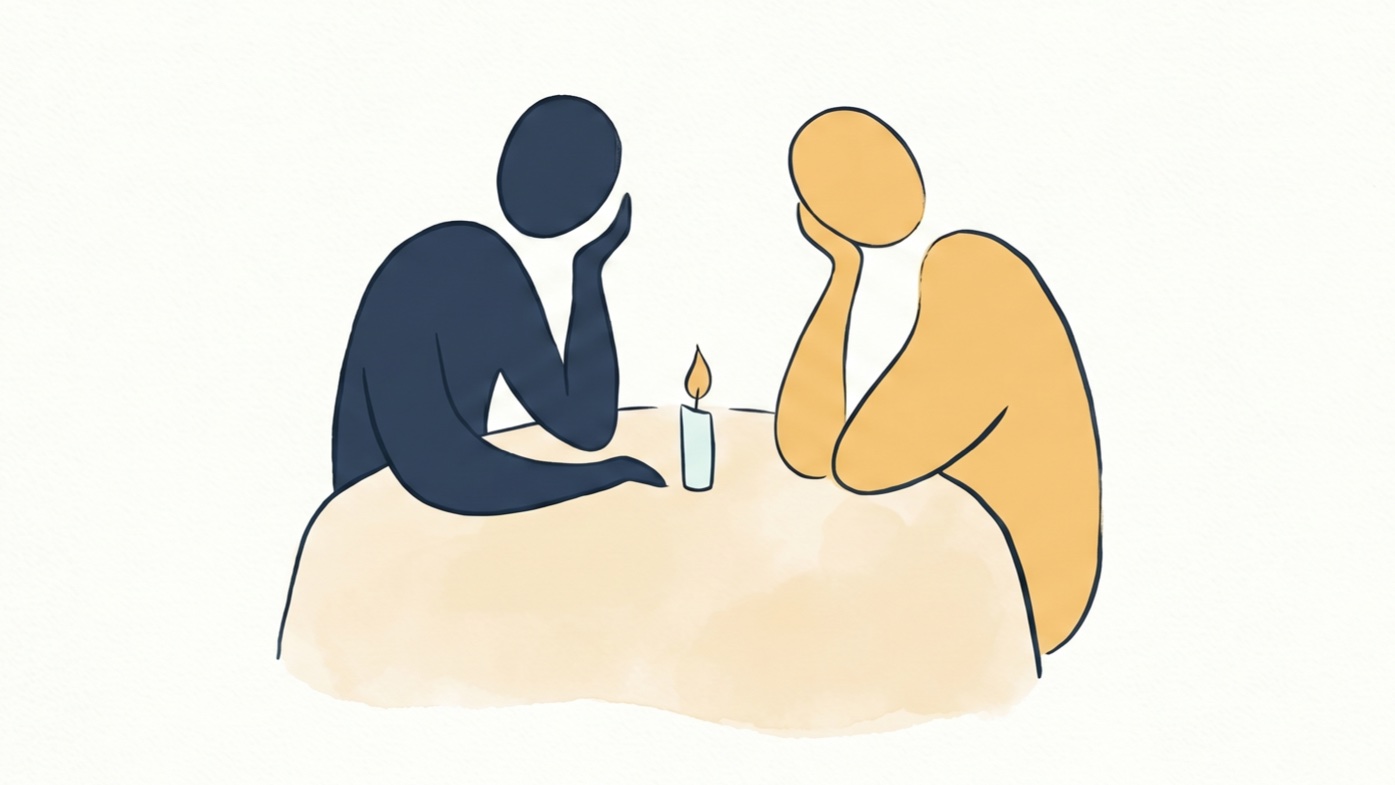
You want to know where this is going. Not because you're demanding a ring — because uncertainty is exhausting and you have a life to plan. But every time you imagine bringing it up, you hear yourself sounding like the "crazy" one who's "too intense" and "moving too fast." So you say nothing, and the uncertainty continues.
Here's what nobody tells you: wanting to know where your relationship is heading isn't clingy, desperate, or unreasonable. It's the most basic form of self-respect. You have limited time and energy, and investing both in something that has no direction isn't romantic — it's negligent.
Your Need for Clarity Is Valid
Before we talk about how to have this conversation, let's establish one thing: you're not being unreasonable for wanting it. The cultural narrative that asking "where is this going?" makes you the "crazy" one is a narrative that benefits people who want relationship benefits without relationship commitment. It doesn't benefit you.
Having said that, how you ask matters. There's a difference between a genuine conversation about shared direction and a pressure-fuelled demand for commitment. The former builds connection. The latter creates resistance.
When to Have It
When uncertainty is causing you genuine distress — not mild curiosity, but actual anxiety that's affecting your daily life or other decisions. If you're turning down other opportunities, making life choices, or experiencing real emotional impact because you don't know where this is going — it's time.
When you've been dating long enough to have data. Two dates isn't enough information. Two months probably is. There's no universal number, but you should have spent enough time together to have observed patterns, experienced both good and bad moments, and developed a sense of who this person is — not just who they are on dates.
When you're calm and genuinely curious. Not after a fight, not after they cancelled plans, not after seeing their ex's comment on their photo. The conversation should come from genuine interest in your shared future — not from an anxiety spike you're trying to resolve.
How to Open It
Frame it as exploration, not demand. You're opening a dialogue, not issuing an ultimatum.
"I really enjoy what we have. I'd love to talk about how we both see this going — no pressure for a specific answer, I just want to understand your thinking."
"I've been thinking about the future and I realised I don't actually know how you think about us long-term. Can we talk about that?"
"This is important to me and I don't want to keep guessing. Where do you see this relationship in the next year or so?"
Each of these is direct without being aggressive, curious without being demanding. They invite conversation rather than requiring a verdict.
Reading Their Response
They engage thoughtfully. They share their thinking, even if it's not fully formed. "I've been thinking about it too. I see this going somewhere serious." Or "Honestly, I'm not sure yet — but I'm enjoying this and I want to keep exploring." Engagement — even uncertain engagement — is a positive sign.
They deflect or joke. "Why are you ruining a good thing?" "Let's just enjoy the moment." "We don't need to label things." Deflection isn't always avoidance of commitment — sometimes it's avoidance of vulnerability. But if deflection happens consistently and they never engage with the substance, it means they're choosing not to think about it. And choosing not to think about your shared future is itself an answer.
They shut it down. "I don't want to talk about this." "Stop pressuring me." If your genuine, calm inquiry is treated as an attack, notice the proportion. You asked a normal question. Their reaction was disproportionate. That disproportionality tells you more than any answer would.
Want clarity on where you stand? Take our free quiz for personalised insights. Explore →
"I Don't Know" as an Answer
"I don't know" is valid — once. Maybe twice. As a permanent response that never evolves, it's a choice masquerading as indecision. A person who is genuinely interested in building something with you will, over time, develop clarity about what they want. A person who maintains "I don't know" indefinitely is either not interested enough to decide or not willing to give you the honest answer.
If you've had this conversation multiple times and "I don't know" hasn't progressed, ask a sharper question: "What would you need to know in order to feel sure? And is there a timeframe where you think you'd have that clarity?" This forces specificity. If they can name conditions — "I want to see how we handle the holidays together" — they have a framework. If they can't name anything — the indefinite uncertainty is the answer.
Your Timeline Matters
Don't abandon your own needs to avoid "seeming pushy." If you want a committed relationship and this person can't or won't move in that direction, staying indefinitely in hope is not patience — it's self-abandonment.
You don't need to deliver an ultimatum. But you do need to be honest with yourself about how long you're willing to wait for clarity — and what you'll do if it doesn't come. That internal deadline isn't for them. It's for you.
Key Takeaways:
- Your need for clarity is valid and not "too intense." It's basic self-respect.
- Frame the conversation as exploration, not demand. Curiosity, not ultimatum.
- Engagement (even uncertain) is positive. Consistent deflection is an answer. Shutdown is a red flag.
- "I don't know" is valid temporarily. Permanently, it's avoidance.
- Your timeline matters too. Don't abandon your needs to avoid seeming pushy.
Related Articles:
Related articles
How to Bring Up Something That's Bothering You
Something's been eating at you but you don't know how to say it. Here's a framework for bringing up concerns without starting a war.
How to Talk About Money in a Relationship
Money is one of the top sources of relationship conflict. Here's how to talk about finances without judgment, shame, or resentment.
How to Discuss Past Relationships With Your Partner
How much should you share about your exes? Here's how to navigate the past-relationship conversation honestly.
How to Tell Your Partner You're Unhappy
You're unhappy in the relationship but don't know how to say it without it sounding like 'I want to break up.' Here's how.