
Why People Stay in Toxic Relationships — It's Not What You Think
It's easy to say 'just leave.' It's not easy to do it. Here's why smart, strong people stay in toxic relationships — and why it doesn't make them weak.
Reviewed by certified relationship advisors
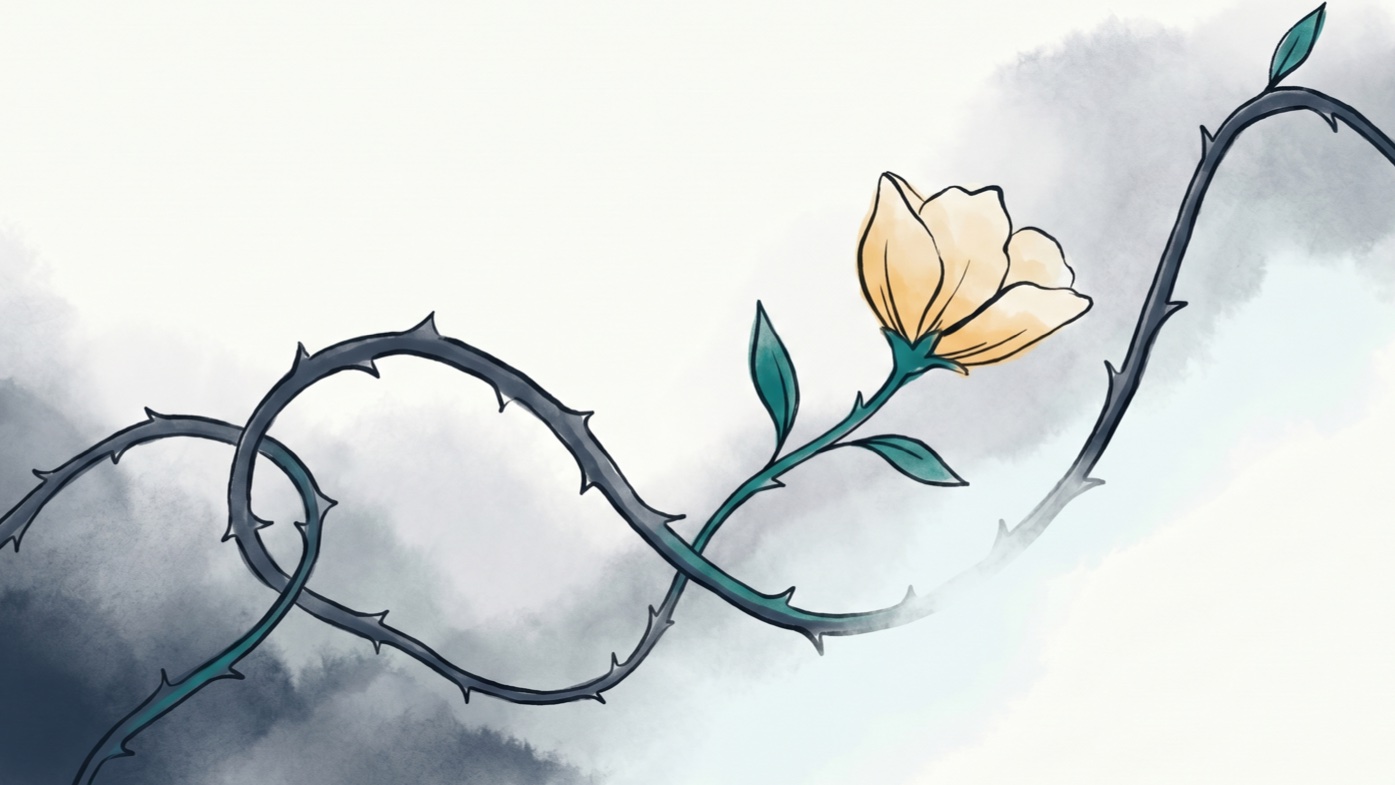
"Just leave." Two words. Simple, obvious, and utterly useless to anyone actually living inside a toxic relationship.
From the outside, it looks straightforward. The relationship is clearly harmful. The person is clearly suffering. The solution is clearly to end it. So why don't they? Are they stupid? Weak? Do they enjoy suffering?
No. They're trapped — not by locked doors, but by psychological, practical, and neurological forces that are invisible from the outside and overwhelming from the inside. Understanding these forces doesn't excuse staying forever, but it replaces judgment with compassion — and compassion is what people in this situation actually need.
Trauma Bonding: The Neurochemistry of Staying
The most powerful force keeping people in toxic relationships isn't love — it's biochemistry. Trauma bonding occurs when the brain becomes addicted to the cycle of abuse and reconciliation.
Here's the mechanism: during the "bad" phase (conflict, criticism, withdrawal, abuse), stress hormones flood your system — cortisol and adrenaline. During the "good" phase (reconciliation, affection, promises, intensity), relief hormones flood your system — dopamine and oxytocin. This alternation between extreme stress and extreme relief creates a neurological pattern identical to addiction.
The "good" phase feels extraordinarily good — not because the relationship is good, but because the relief from suffering produces an amplified reward signal. The dopamine hit after reconciliation is stronger than the dopamine in a consistently healthy relationship, because it's contrast-dependent. You feel the high more intensely because you were so recently in the low.
This is why people in toxic relationships often describe the good times as "incredible" and "like nothing else." They're not wrong about the intensity. But the intensity is a symptom of the pathological cycle, not evidence of exceptional love.
The Erosion of Self-Worth
Toxic relationships don't start toxic. They start charming, attentive, and intense. The toxicity escalates gradually — criticism disguised as care, control disguised as concern, isolation disguised as togetherness. By the time the person recognises the pattern, their self-worth has been systematically dismantled.
"You'd be nothing without me." "Nobody else would put up with you." "You're lucky I stay." These messages — delivered directly or implied through behaviour — become internalised beliefs. The person doesn't leave because they genuinely believe they can't do better. They believe they don't deserve better. They believe the relationship is what they're worth.
This belief is wrong. But beliefs don't respond to logic — they respond to accumulated experience. And months or years of accumulated experience telling someone they're worthless is hard to override with a single friend saying "you deserve more."
Practical Dependencies
Beyond psychology, practical constraints keep people stuck:
Financial dependence. They don't work, or they earn significantly less. Their partner controls the money, the accounts, the credit cards. Leaving means potential poverty, homelessness, or a dramatic reduction in living standard. For people with children, this calculus becomes even more complex.
Housing. They share a home. The lease is in both names — or only in the partner's name. They have nowhere to go, no savings for a deposit, no family nearby to take them in.
Children. "Staying for the kids" is one of the most common reasons and one of the most contested. The person genuinely believes that an intact family (however dysfunctional) is better for the children than a broken one. Research disagrees — children in high-conflict homes have worse outcomes than children of amicable divorces — but the belief is powerful.
Immigration status. In some cases, one partner's legal right to remain in the country depends on the relationship. Leaving means potential deportation, separation from children, or loss of legal status. This is an acute vulnerability that toxic partners sometimes exploit deliberately.
Trying to understand why leaving feels impossible? Take our free Relationship Health Quiz — a confidential first step toward clarity. Explore →
Fear
Fear is the simplest and most powerful barrier. Fear of retaliation — "if I leave, they'll hurt me." Fear of escalation — "if I try to leave, they'll make my life hell." Fear of losing children — "they'll take the kids." Fear of the unknown — "at least I know what this is."
For people in physically abusive relationships, the fear is literal and justified. The most dangerous time in an abusive relationship is the period immediately after leaving — when the abuser's control is threatened. This isn't paranoia. It's statistical fact. And it's why safety planning (not just "leaving") is critical.
For people in emotionally toxic relationships, the fear is less about physical danger and more about emotional survival. "What if they're right and I can't make it alone?" "What if I regret it?" "What if nobody else wants me?" These fears are products of the self-worth erosion described above — and they're powerful enough to override what the rational mind knows.
Shame
"What will people think?" "How do I explain this to my family?" "I feel stupid for staying this long." "Everyone will judge me for being with someone like this."
Shame keeps people silent about their situation, which keeps them isolated, which keeps them trapped. The irony is that the shame belongs to the person who created the toxic dynamic — not to the person enduring it. But shame doesn't follow logic. It follows vulnerability, and leaving a relationship requires exposing your most vulnerable situation to the scrutiny of others.
Hope
Perhaps the cruelest force: hope. "They're going to change." "They promised this time would be different." "I can see the person they could be." "If I love them enough, they'll become who I know they can be."
Hope is beautiful in most contexts. In toxic relationships, it's the cage door's lock. Every promise of change, every good week, every tearful apology restocks the hope supply — and the person stays for another cycle, waiting for the transformation that isn't coming.
Recognising that hope has become a trap — that it's keeping you in a situation that's damaging you — is one of the most painful but necessary realisations in the leaving process.
What to Say Instead of "Just Leave"
If someone you love is in a toxic relationship, "just leave" communicates judgment, not support. It implies the solution is simple and the person is foolish for not taking it.
What helps instead: "I see what's happening and I'm worried about you." "I'm here whenever you're ready — no judgment, no timeline." "You deserve better than this, and I'll help you when you decide to go." "You're not stupid for staying. You're in a difficult situation and I understand why it's hard."
What doesn't help: "I told you so." "Why don't you just leave?" "They're never going to change." "If you stay, I can't keep watching this."
Support that comes with conditions pushes them further into isolation — which pushes them further into the relationship. Unconditional support, patiently offered, is what eventually helps people find the strength to leave. Not on your timeline. On theirs.
Key Takeaways:
- Trauma bonding creates a neurochemical addiction to the abuse-reconciliation cycle. Leaving feels like withdrawal because it literally is.
- Self-worth erosion makes them believe they deserve this — and can't do better. That belief is wrong but deeply embedded.
- Practical constraints (finances, housing, children, immigration) create real barriers that "just leave" doesn't address.
- Fear, shame, and hope work together to keep people stuck. Fear of what happens if they go. Shame about their situation. Hope that it'll change.
- If someone you love is in this situation: offer unconditional support without judgment or timelines. Conditional support increases isolation.
Related Articles:
Topics
Related articles
Am I in a Toxic Relationship? A Self-Assessment
It's hard to see clearly when you're inside it. This honest self-assessment helps you figure out whether your relationship is toxic.
Gaslighting — How to Recognize It and What to Do
Gaslighting makes you question your own reality. Here's how to recognize it, understand why it works, and protect yourself.
How to Leave a Toxic Relationship Safely
Leaving is the hardest part. Here's how to plan your exit safely — emotionally, financially, and physically.
Love Bombing — Why It Feels Amazing and Why It's Dangerous
Constant attention, gifts, declarations of love from day one. It feels like a dream — but love bombing is a manipulation tactic. Here's how to spot it.