
Why People Cheat — Understanding the Psychology
Cheating isn't always about sex or attraction. Understanding why people cheat can help you make sense of what happened — and what to do next.
Reviewed by certified relationship advisors
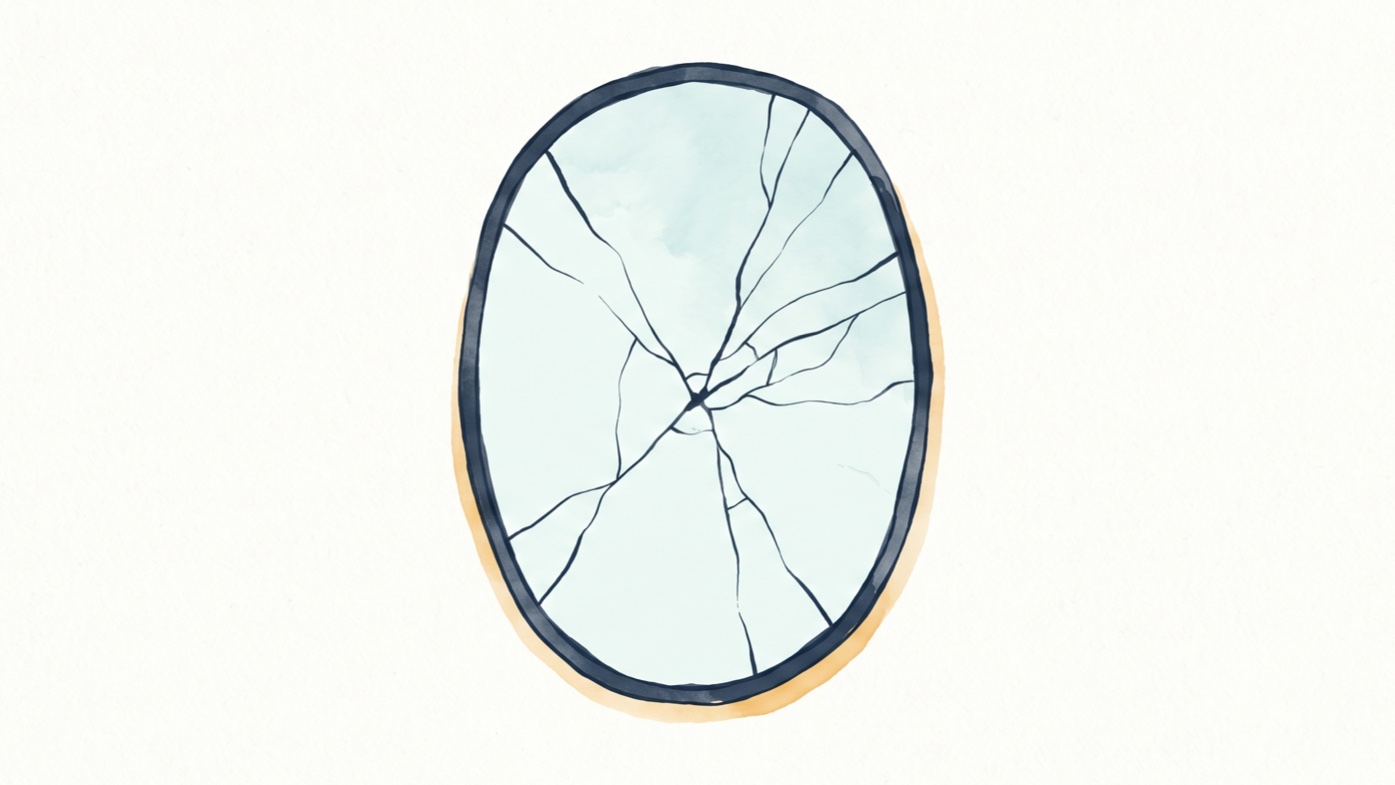
Understanding why someone cheated doesn't make it hurt less. It doesn't excuse it, justify it, or make it okay. But for many people processing infidelity — whether it happened to them or they did it — understanding the "why" is essential to figuring out the "what now."
The reasons people cheat are more varied and more human than most people expect. Some reasons make you angry. Some make you sad. A few might make uncomfortable sense. None of them are your fault.
The Unmet Needs Theory
The most researched explanation for infidelity is unmet emotional or physical needs within the relationship. This doesn't mean the betrayed partner failed — it means the cheating partner chose to seek fulfilment outside the relationship instead of communicating what was missing.
Commonly unmet needs that precede cheating: feeling desired (not just loved — wanted), intellectual stimulation, emotional intimacy, appreciation and recognition, sexual satisfaction, feeling like a priority rather than a roommate.
The critical distinction: having unmet needs is a reason to have a difficult conversation, go to therapy, or if necessary, leave the relationship. It is not a reason to cheat. The cheating was a choice — the unmet needs were the context for that choice, not the justification.
The Opportunity Theory
Some people cheat not because their relationship is lacking but because the opportunity presented itself and their boundaries weren't strong enough to resist.
A work trip. A conference. A night out with friends when the right person said the right thing at the right time. Alcohol lowered inhibitions. Distance from home created a sense of unreality. The affair wasn't premeditated — it was a boundary failure in a moment of vulnerability.
This doesn't make it "just a mistake." Boundaries are things you build before the moment of temptation, not things you discover you lack when the temptation arrives. But it does explain why people who genuinely love their partners and have no intention of cheating sometimes do. The intention was never there. The boundary wasn't either.
The Exit Affair
Some affairs are unconsciously designed to end the relationship. The person isn't brave enough — or doesn't know how — to leave directly, so they create a situation that forces the exit.
The exit affair is often poorly concealed. The evidence is left where it can be found. The phone is left unlocked. The story doesn't add up in obvious ways. Part of the person wants to be caught because being caught is easier than saying "I want to leave."
This is one of the most painful types of cheating for the betrayed partner, because it adds abandonment to betrayal. Not only did they cheat — they used the cheating as a tool to end the relationship they didn't have the courage to end directly.
Making sense of what happened? Take our free Relationship Health Quiz for a personalised read on your situation. Explore →
The Attachment Style Connection
Attachment theory offers one of the more nuanced explanations for chronic infidelity. People with avoidant attachment styles — who struggle with intimacy and feel suffocated by closeness — sometimes use affairs to regulate distance. When the primary relationship gets "too close," the affair creates emotional space. It's not about the other person — it's about managing the anxiety that intimacy triggers.
People with anxious attachment styles cheat less frequently, but when they do, it's often driven by the need for reassurance and validation. If they feel their partner isn't meeting their emotional needs (regardless of whether that perception is accurate), they may seek the intense validation that a new connection provides.
This isn't an excuse — it's a pattern. And patterns can be changed with awareness and effort.
The Serial Cheater
Some people cheat in every relationship. Not because of circumstances, unmet needs, or opportunities — but because of a consistent pattern rooted in personality, values, or psychology.
Serial cheating can be driven by narcissism (entitled to whatever they want), poor impulse control (can't resist temptation regardless of consequences), thrill-seeking (the affair itself is the attraction, not the other person), or deep insecurity (constant need for new validation).
If someone has a history of cheating across multiple relationships, the explanation isn't the relationship — it's the person. And the uncomfortable truth is that people with this pattern rarely change without significant, sustained professional work. "I'll be different with you" is the most common — and most hollow — promise in the serial cheater's repertoire.
The Revenge Affair
"You cheated on me, so I'll cheat on you." Revenge cheating is exactly what it sounds like — an attempt to balance the score, hurt the person who hurt you, or reclaim power after betrayal.
It never works. The momentary sense of control it provides is immediately replaced by guilt, complication, and the realisation that two betrayals don't equal one healed relationship. Revenge affairs typically accelerate the end of the relationship rather than equalising it.
The "I Didn't Think It Was Cheating" Explanation
With the expansion of digital communication, the boundaries of cheating have blurred in ways previous generations didn't navigate. Sexting with a stranger. Emotional intimacy with an online friend. Maintaining a dating profile for the ego boost. A cam site. An AI chatbot used for sexual conversation.
Some people who engage in these behaviours genuinely don't consider them cheating — because in their framework, cheating requires physical contact. But their partner disagrees. And the disagreement itself reveals a boundary that was never clearly established.
This doesn't excuse the behaviour, but it does highlight the importance of having explicit conversations about what counts as fidelity in your specific relationship. The conversation most couples never have — "what do we each consider cheating?" — might be one of the most important ones.
What This Means For You
If you've been cheated on, understanding why doesn't change what happened. But it can help you answer the questions that matter most:
Was it about you? Almost certainly not. Cheating is about the cheater's internal landscape — their needs, their boundaries, their patterns. You could be the perfect partner and someone with avoidant attachment or chronic boundary failures would still cheat. It's not a reflection of your worth.
Will they do it again? That depends on the why. If the cause was situational (a single boundary failure under specific circumstances), change is possible. If the cause is characterological (serial cheating, narcissism, chronic avoidance), change is unlikely without deep, sustained work.
Can you move forward? Only you can answer this. But having a framework for understanding the why helps you evaluate whether the conditions that caused it have been addressed — or whether they're still present, waiting to produce the same outcome.
Key Takeaways:
- The most common reason people cheat is unmet emotional needs — but unmet needs are a reason to communicate, not a justification for betrayal.
- Opportunity + weak boundaries explains many "I never meant for this to happen" affairs.
- Exit affairs are designed to end the relationship through being caught rather than through honest conversation.
- Attachment styles influence cheating patterns — avoidant styles use affairs for distance, anxious styles for validation.
- Serial cheaters follow a personal pattern, not a relationship pattern. "I'll be different with you" is rarely true.
- Understanding why doesn't excuse it — but it helps you decide what comes next.
Processing what happened? Take our free quiz for a personalised read on where you are — and what might help. Explore →
Related Articles:
Topics
Related articles
15 Signs Your Partner Might Be Cheating
These 15 signs don't guarantee cheating — but they do mean something has changed. Learn what to look for and what to do about it.
How to Confront a Cheating Partner Without Destroying Everything
The conversation you're dreading. Here's how to confront your partner about cheating in a way that gets truth, not just a fight.
Emotional Cheating vs Physical Cheating — What's the Difference
Is it still cheating if nothing physical happened? Understand the difference between emotional and physical cheating and why both hurt.
He's Acting Different — Is It Cheating or Something Else?
Something has changed and you can feel it. Before you jump to conclusions, here's how to figure out what's actually going on.